
 10 Best Photo Places in the USA
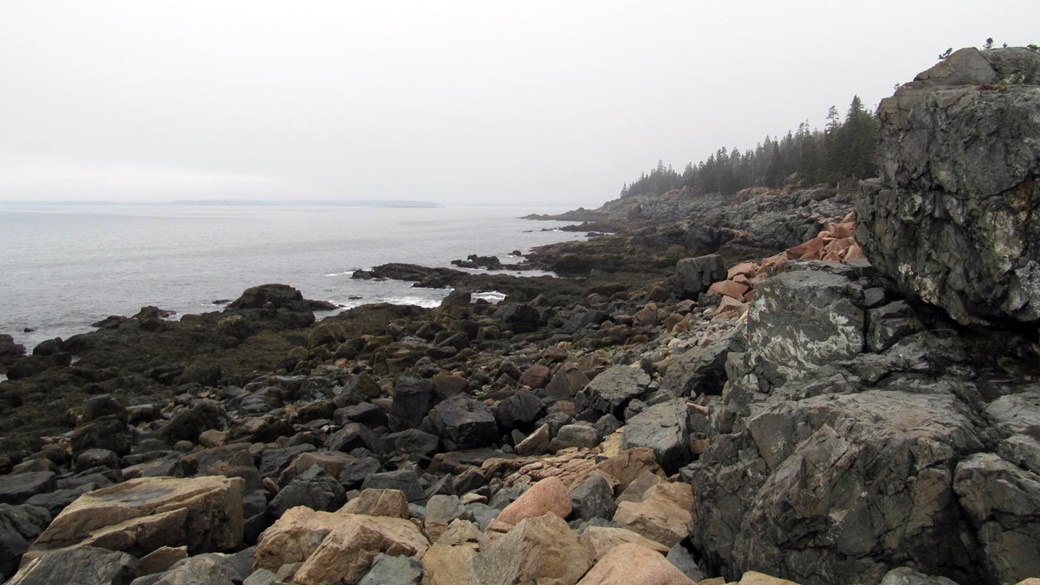
Acadia National Park is situated in the state of Maine on the East Coast of the USA. It spans a large portion of Mount Desert Island and, despite being one of the smallest parks, it welcomes over 4 million visitors each year.
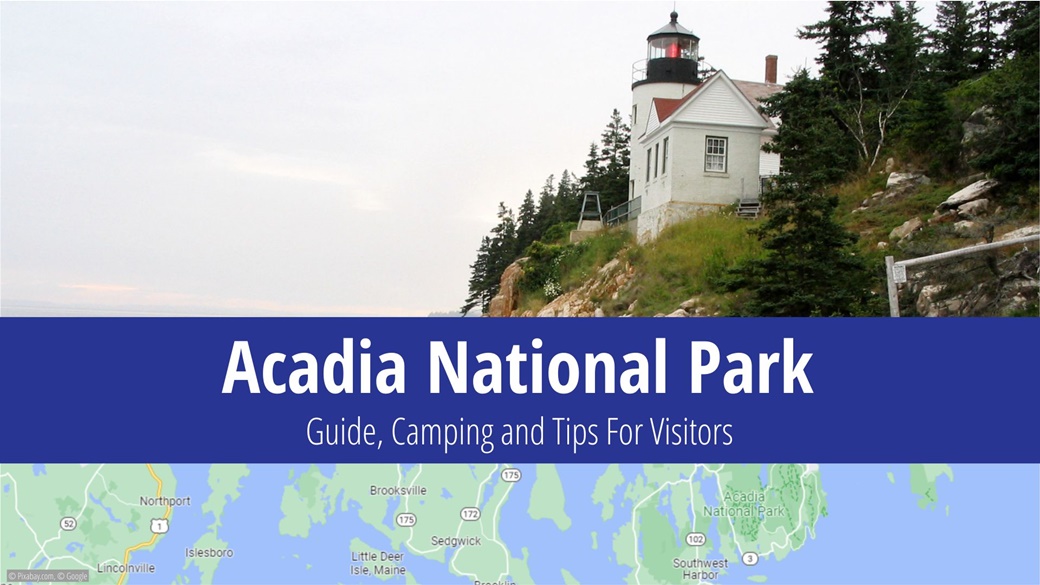
Table of Contents
Information About Acadia National Park
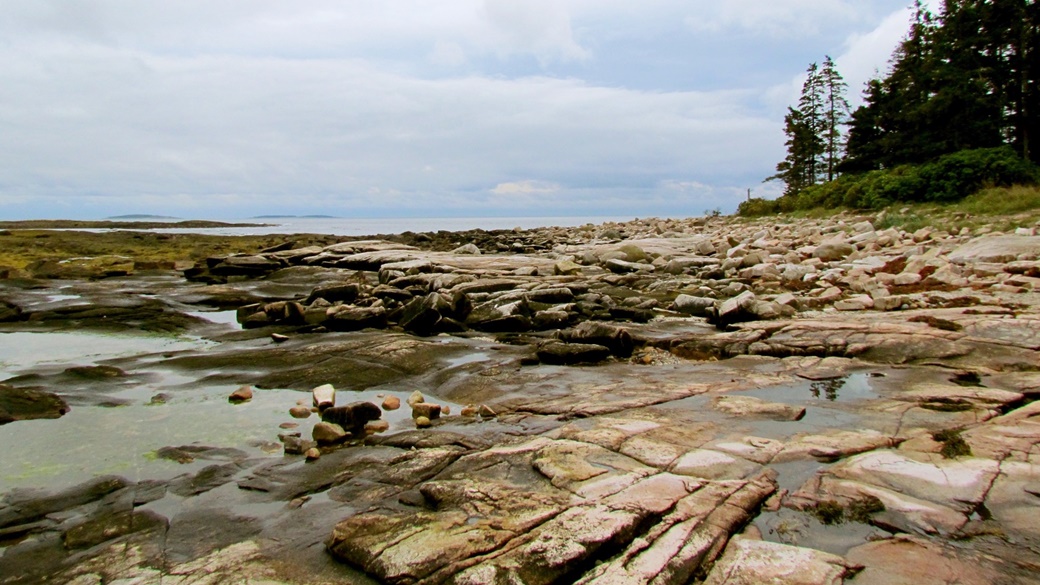
Acadia is situated on the oceanfront, approximately a 5-hour drive northeast from Boston. It is predominantly covered with rocks, trees, and clear lakes. It was declared a national park on February 26, 1919, making it one of the oldest in the USA. However, until 1929, it was known as Lafayette National Park – the oldest national park east of the Mississippi River. As noted above, it encompasses only 74 sqmi; by comparison, the famous Yellowstone is nearly 50 times larger.
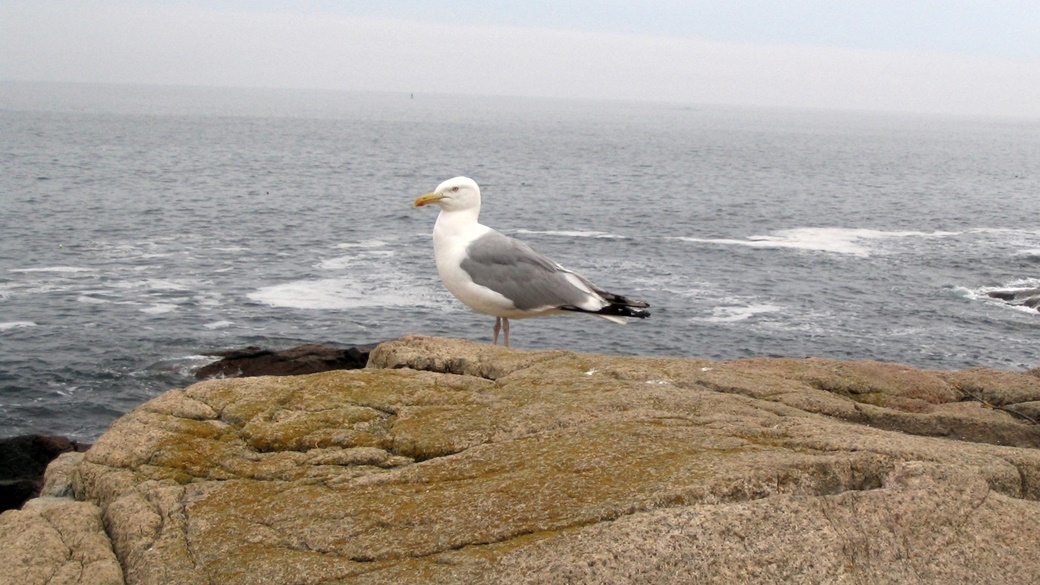
In terms of wildlife, you may encounter squirrels, chipmunks, deer, elk, beavers, muskrats, and foxes in Acadia. Although Acadia National Park comprises about 1% of Maine, half of all the state’s vascular plants flourish here. Ferns, mushrooms, mosses, and wildflowers in late summer are typical of Acadia.
What to See and Do in Acadia National Park
Maine is known as the lighthouse state, and there is one on Mount Desert Island. The Bass Harbor Head Light currently serves as the private residence of the local Coast Guard commander, but the adjacent trail offers beautiful views of the surrounding area. A drive to the lighthouse is practically a must.
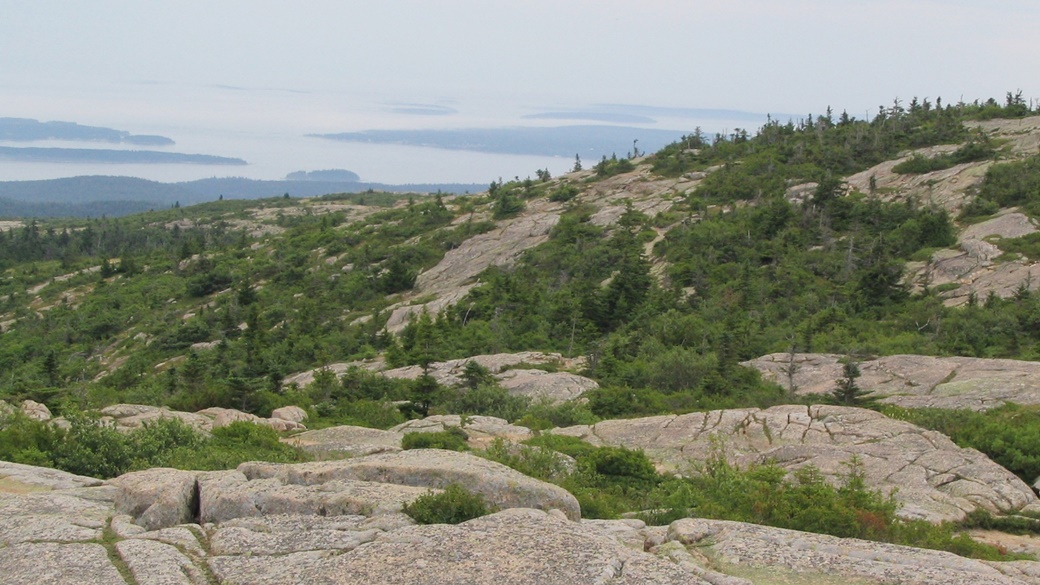
You’ll also enjoy a stunning view of the sunrise from the highest mountain on the East Coast of the USA, which stands at only 1,529 ft high. Cadillac Mountain is accessible by a narrow, 3 mi road. Remember that it’s closed from approximately December to mid-April due to weather conditions.
Isle au Haut
Isle au Haut (map, more info) is a rugged island discovered in 1604 during the voyages of French navigator Samuel Champlain. There are roughly a dozen trails on the island for hikers—the easiest can be completed in 5 minutes, while the most challenging will take even experienced mountain bikers an hour and a half.
Park Loop Road
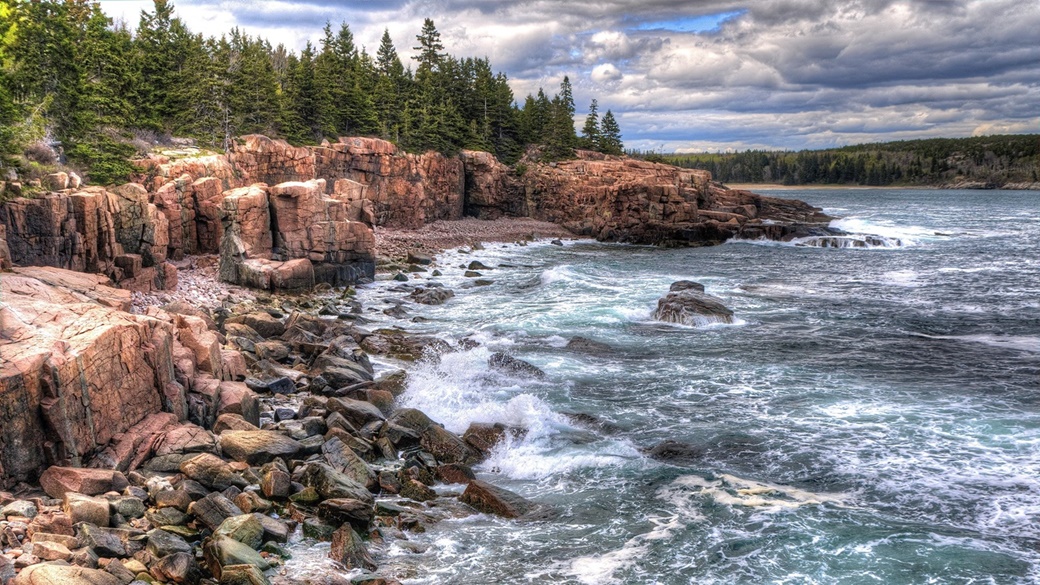
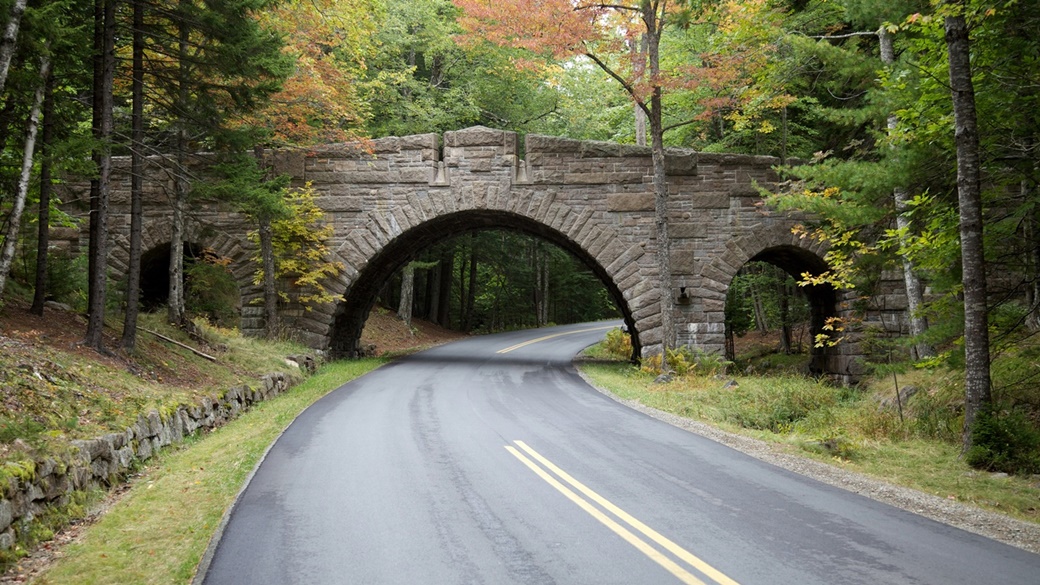
The Park Loop Road is a historic, 27 mi-long road offering breathtaking views of the oceanfront, trees, and silhouetted cliffs. The entire road is open from April through November.
Museum enthusiasts will also appreciate Acadia National Park. Located on Little Cranberry Island (yes, it’s genuinely called Little Cranberry Island!) is the Isleford Historical Museum, which enlightens curious visitors about the history and life in the rugged oceanfront region. Mail and cruise ships sail from Northeast Harbor and Southwest Harbor to Cranberry Island, and, by extension, the museum.
If you enjoy sportive activities, you can rent a boat at the park and view Acadia from a different perspective.
When to Visit Acadia National Park
Acadia National Park is open all year round; however, most roads are closed from early December to mid-April due to weather conditions. Indeed, snowstorms are not rare here, with temperatures typically ranging between 32 °F and 68 °F in spring and autumn.
Summer is the most popular time to visit the park. Although temperatures are usually between 68 °F–86 °F, rain is fairly common. So, remember to pack an umbrella.
Average Temperatures and Visitor Numbers in Acadia National Park
Average temperatures in Acadia National Park. Visitor numbers are based on a 2017-2021 average, data source is the National Park Service.
| Max Temp | Min Temp | Precipitation Days | Visitors | Popularity | |
|---|---|---|---|---|---|
| January | 30 °F | 14 °F | 8.4 | 42 153 | 🟩 |
| February | 32 °F | 18 °F | 6.8 | 37 053 | 🟩 |
| March | 41 °F | 25 °F | 8.3 | 65 322 | 🟨🟨 |
| April | 52 °F | 36 °F | 8.5 | 89 597 | 🟨🟨 |
| May | 61 °F | 45 °F | 9.4 | 104 716 | 🟨🟨 |
| June | 70 °F | 52 °F | 9.3 | 160 413 | 🟧🟧🟧 |
| July | 75 °F | 57 °F | 8.9 | 204 764 | 🟥🟥🟥🟥 |
| August | 73 °F | 57 °F | 7.5 | 184 423 | 🟥🟥🟥🟥 |
| September | 66 °F | 50 °F | 7.5 | 98 619 | 🟨🟨 |
| October | 55 °F | 41 °F | 8.6 | 81 221 | 🟨🟨 |
| November | 46 °F | 32 °F | 9.2 | 41 257 | 🟩 |
| December | 36 °F | 21 °F | 9.9 | 45 577 | 🟩 |
Admission to Acadia National Park
If you plan to visit Acadia National Park in the USA, a one-time entrance fee of $35 will suffice. This is valid for seven days and covers the entire vehicle crew. The entrance fee for motorcycles is $30, and for individual visitors without a vehicle, the fee is $20.00.
Furthermore, a reservation is required for part of the year to enter Cadillac Summit Road. It is recommended to make this reservation in advance.
If you plan to visit several USA National Parks, consider purchasing the discounted America the Beautiful pass. It costs $80, and it allows unlimited entry to any park in America for 365 days from your first visit.
How to Get to Acadia National Park
The easiest method is to rent a car, giving you the freedom to travel independently. For your reference, here are the distances, driving times, and routes from major cities around the park:
| From / To | Distance | Driving Time | Map |
|---|---|---|---|
| Boston | 284 mi | 5 hours | View Route |
| Halifax | 444 mi | 8 hours | View Route |
| Montreal | 337 mi | 7 hours | View Route |
| New York | 492 mi | 8 hours 45 minutes | View Route |
| Quebec | 278 mi | 5 hours 50 minutes | View Route |
Acadia National Park Lodging
Hotels
Numerous hotels, motels, and guesthouses are available around the park, primarily located in the towns of Bar Harbor, Ellsworth, Trenton, Southwest Harbor, and Northwest Harbor.
Campsites
If you prefer camping, you can set up your tent at one of the campsites.
Blackwoods Campground, located 5 mi south of Bar Harbor, is open year-round. Additionally, from late May through September, Seawall Campground (4 mi south of Southwest Harbor) and Duck Harbor Campground on Isle au Haut are open. The cost per night is between $22.00 and $30 per tent site.
Tips and Advice Before Travelling to Acadia National Park
Visitor Center
For information about the park, visit one of the visitor centers:
- Hulls Cove Visitor Center is open daily from April 15 to October 31. It operates from 8:30 a.m. to 4:30 p.m. in April, May, June, September, and October, and from 8 a.m. to 6 p.m. in July and August.
- Thompson Island Information Center is open from mid-May to mid-October.
- Village Green Information Center is open from June 23 through Columbus Day from 8:00 a.m. to 5:00 p.m.
Good to Know
To travel within Acadia National Park, consider using the Island Explorer buses, which operate regularly along several routes.
Before traveling to Acadia National Park, consider downloading .pdf brochures that include maps, park guides, and other helpful information to your phone. The brochures are free and quite helpful.
Photos of Acadia National Park
US National Parks
- National Parks of the USA – Map, List and Annual Pass
- America the Beautiful Pass 2025 – How It Works, Cost & Parks
- Timed-Entry Reservation for US National Parks (2025 GUIDE)
Travel Guides to USA National Parks




Contribute with Your Question or Personal Experience