
 10 Best Photo Places in the USA
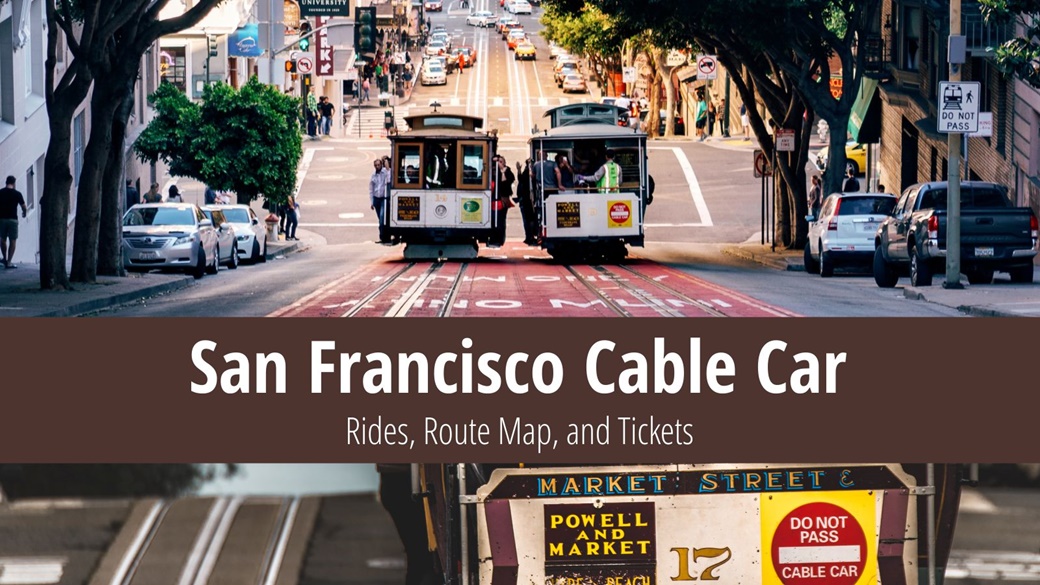
San Francisco is one of the most interesting cities in the USA. Its symbols include the winding street Lombard Street, the iconic Golden Gate Bridge, the Alcatraz prison, and the historic cable cars. The “Cable Cars” have been cruising through San Francisco since 1873. Read on to learn where the cable cars travel, how you can ride them, and how much the ticket costs.
-
Table of Contents
Historic Cable Cars in San Francisco
San Francisco is set in a hilly terrain where traditional trams would have difficulty operating. In some parts of the city, cable cars transport residents, with a steel cable of 3.2 cm in diameter pulling the tram uphill on steep sections. The cable is embedded in the road, and the tram moves at a constant speed of 9.5 mph.
📜 History of Cable Cars in San Francisco
The first cable car began operating on a test run on August 2, 1873. Regular passenger service started on California Street on September 1, 1873. In 1888, the Powell-Mason line began service, and in 1952, the Powell-Hyde line expanded the network.
Initially, cable cars primarily served as urban public transportation, but today they mainly function as a tourist attraction. Over the years, the number of passengers has declined, with an average of only 10,000 daily passengers in 2024.
-
Where the Cable Cars Operate in San Francisco
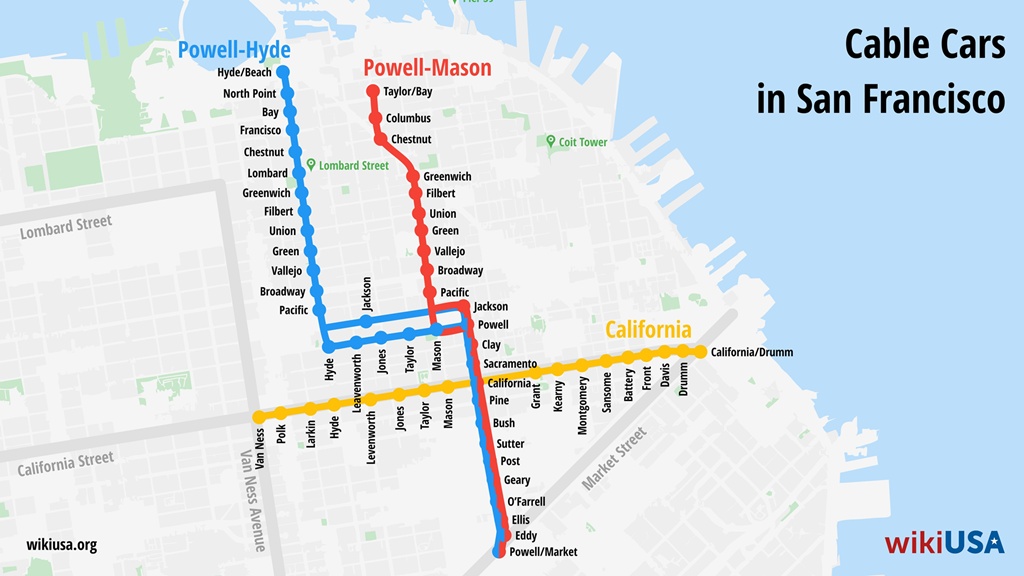
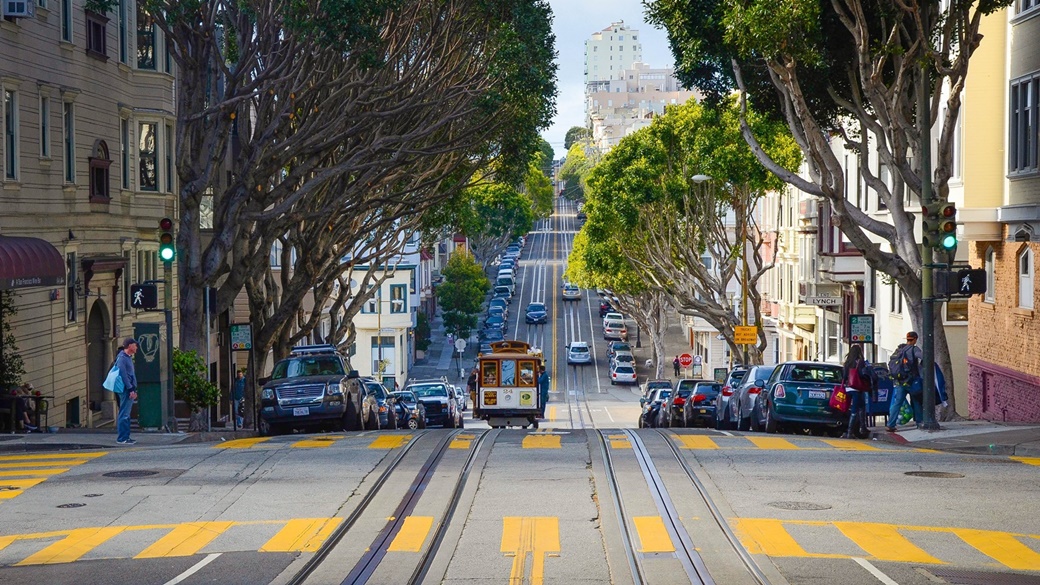
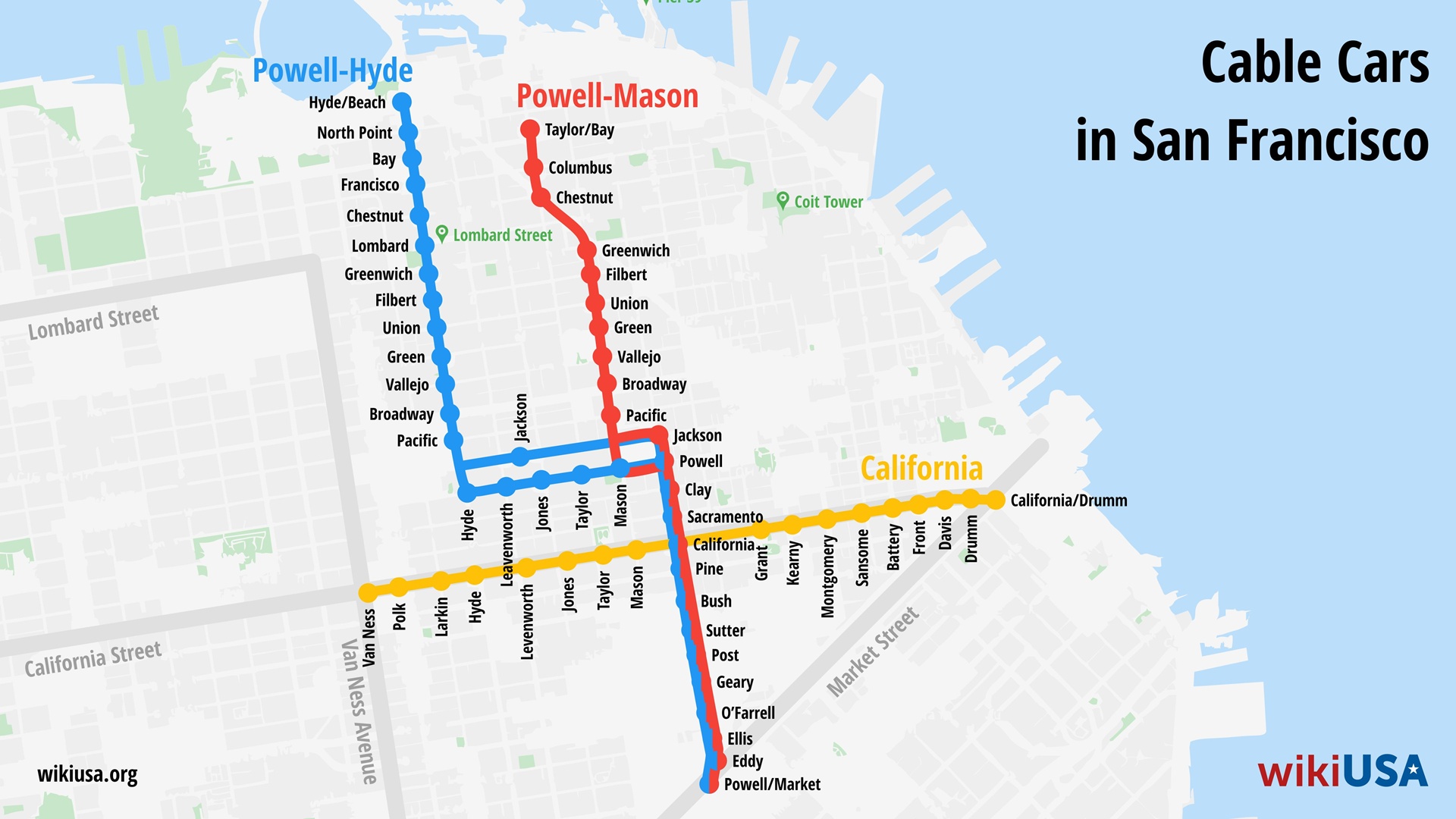
As of 2025, all three original cable car lines are still in operation. The name of the line and its direction are displayed on signs at the front and side of the tram. Stops are painted in yellow directly on the street, and the trams run at intervals of 10-20 minutes.
🟡 California (C)
This line runs from the intersection of California/Drumm to California/Van Ness. Trams operate daily from 7:00 AM to 9:00 PM (schedule).
The first cable car on the California Line started on April 1, 1878, connecting the Financial District on the waterfront with the Presidio neighborhood to the north. After the devastating 1906 earthquake, much of the tram track was destroyed and had to be rebuilt.
🔴 Powell – Mason (PM)
This line connects the intersections of Powell/Market and Taylor/Bay. The line operates daily from 7:00 AM to 11:00 PM (schedule).
The Powell-Mason line expanded San Francisco’s tram network in 1888 and was originally much longer, ending at Washington Street. It was later shortened due to changes in traffic. This tram was one of the first in the city to feature the cable-pulling system invented by Andrew Hallidie.
🔵 Powell – Hyde (PH)
This line connects the intersections of Powell/Market and Hyde/Beach. It operates daily from 7:00 AM to 11:00 PM (schedule).
The first tram on the Powell-Hyde route was launched in 1957, with the goal of connecting popular tourist destinations, such as Golden Gate Park and Fisherman’s Wharf. This line includes a section with a 21% incline, one of the steepest in all of San Francisco.
-
Tickets for Cable Cars in San Francisco
The price of a cable car ticket is $8.00 (last updated January 30, 2025), and no student discounts are available. Children under 4 ride for free, while older children must pay the regular fare.
Tickets can be purchased through the official mobile app for the transit system, MuniMobile. Alternatively, you can use the Clipper Card, which serves as the integrated transit system for the entire Bay Area.
You can also purchase tickets from the driver, but be sure to have the exact change as no change is provided. If boarding at Powell & Market, Bay & Taylor, or Hyde & Beach between 8:00 AM and 8:00 PM, tickets must always be purchased in advance.
-
Tips for Riding the Cable Cars
🗺️ Download a Cable Car Route Map
When planning your trip to San Francisco, download a map of all cable car routes to make planning your itinerary easier.
🚏 Where to Board the Cable Car
Out of the three lines, I recommend taking the Powell-Hyde line and boarding at the Hyde/Beach stop, which features a unique turntable. The tram is still manually rotated here.
Be prepared to wait for a while in line for your ride, but you’ll be guaranteed a spot. Boarding at other stops depends on the capacity of the passing tram, and I personally was not able to board elsewhere.
🚊 Where to Sit on the Cable Car
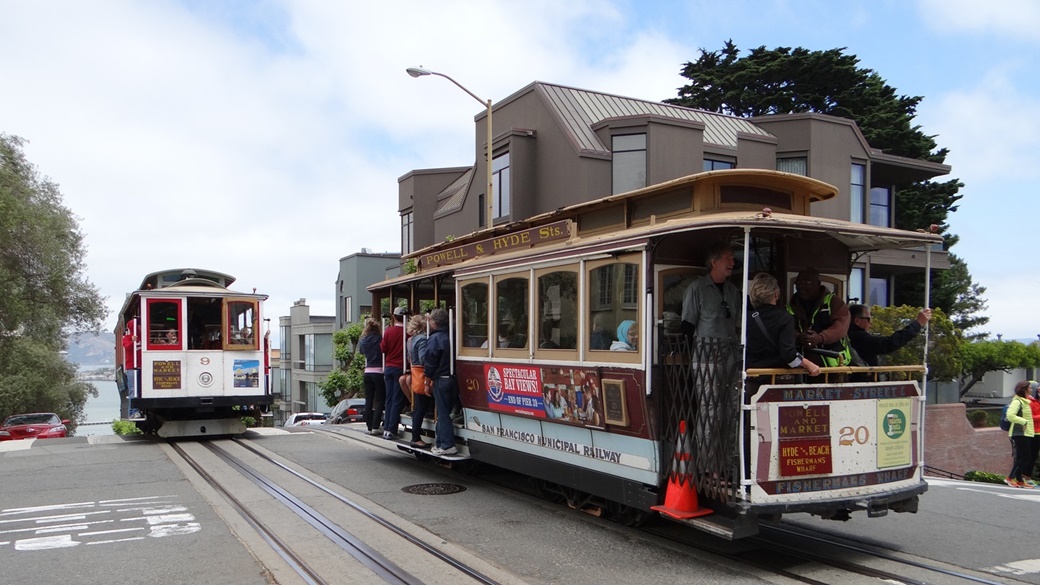
For a more exciting experience, it’s best to stand on the tram. If you ask the operator, you may be able to hang on the side or stand in the open rear part of the tram. This section has limited capacity, so it’s first-come, first-served.
🛑 Where to Disembark
You can end your ride at any stop, but I recommend riding all the way to the terminal at Powell/Market in the city center. Along the way, you’ll pass the winding Lombard Street, which offers a great view of San Francisco.
🏛️ San Francisco Cable Car Museum
If you enjoy the cable car ride, I recommend visiting the Cable Car Museum. It is open every day except Monday, and admission is free.
Inside the museum, you can view historic cable cars, photographs, or purchase souvenirs.
-
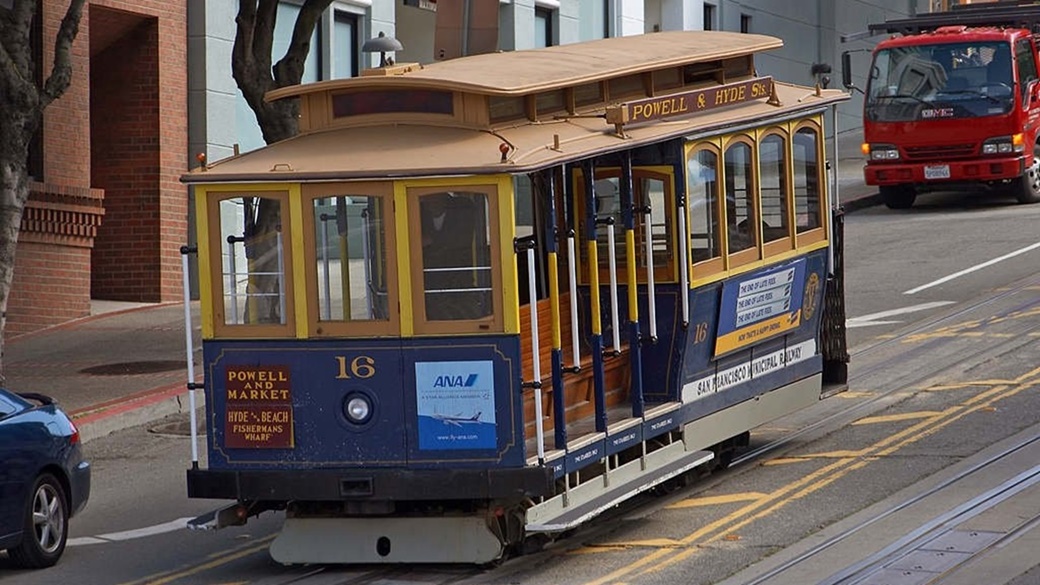
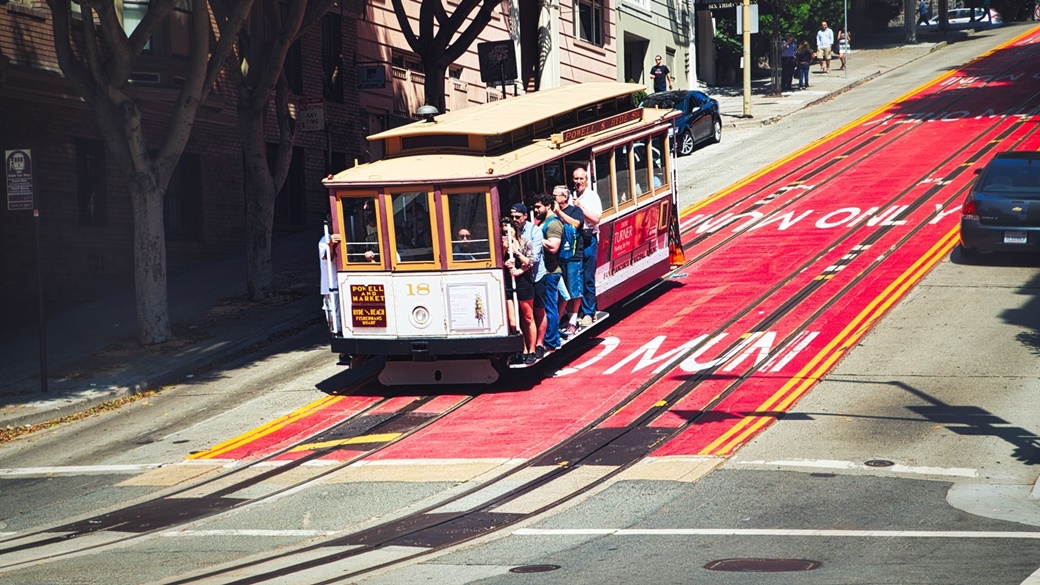
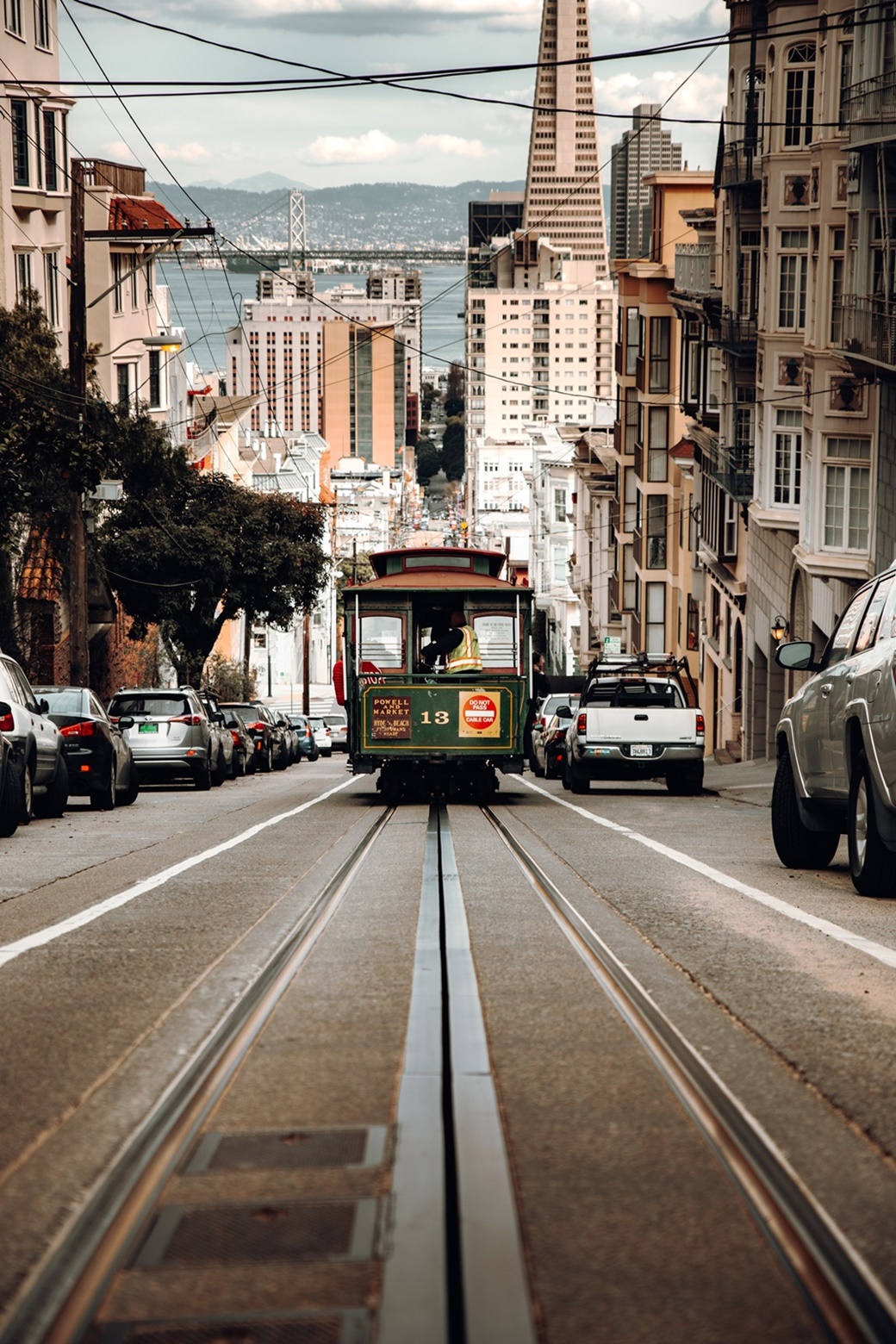
Photos of Historic Cable Cars in San Francisco



Contribute with Your Question or Personal Experience